Our people
Meet the Team
The Miller Lab is led by a translational neuroscientist committed to bridging human disease biology and therapeutic discovery.
Principal investigator
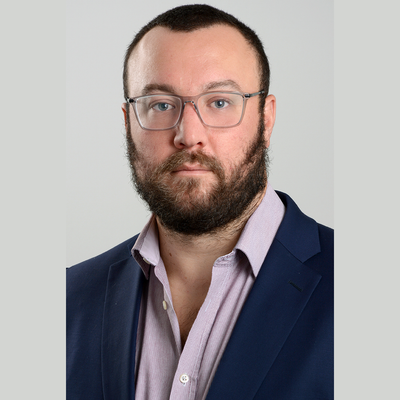
Sean J. Miller, Ph.D.
Assistant Professor
Department of Physiology and Biophysics
Jacobs School of Medicine & Biomedical Sciences
About
Dr. Sean J. Miller is a translational neuroscientist focused on developing human-relevant experimental models to uncover disease mechanisms and accelerate therapeutic discovery for neurological and neurodegenerative disorders. His research integrates human induced pluripotent stem cell–derived neural and retinal organoids, primary human tissues, single-cell and spatial transcriptomics, proteomics, advanced microscopy, and functional electrophysiology to define how disease-associated molecular and cellular changes translate into neural dysfunction. By combining patient-derived biology with mechanistic experimentation and therapeutic perturbation, his laboratory aims to bridge the gap between human disease discovery and preclinical drug development. The overarching goal of his research is to identify actionable pathways, validate therapeutic targets in human systems, and develop interventions with a clear path toward clinical translation.
Research Interests
- Human iPSC-derived neural and retinal organoids
- Single-cell and spatial transcriptomics
- Proteomics and advanced microscopy
- Functional electrophysiology
- Neurological and neurodegenerative disease mechanisms
- Therapeutic target validation in human systems
Education & Training
Postdoctoral Research Fellow (Neurological Sciences)
Stanford University School of Medicine
2019
Ph.D., Cellular & Molecular Medicine (Neurology)
Johns Hopkins University School of Medicine
2018
Postgraduate Researcher (Neurology)
Harvard Medical School, Massachusetts General Hospital
2013
B.S., Organismal Physiology
Drexel University
2011
Previous Positions
Research Faculty, Ophthalmology and Visual Science
Yale University School of Medicine
2023–2026
Grants & Sponsored Research
August 2026–July 2029
Fellow-to-Faculty Award
Simons Foundation
Role: Principal Investigator
June 2026–May 2028
Infection-Triggered Neurodegenerative Proteinopathy in Long COVID: Retinal Biomarkers and Human Organoid Models for Mechanistic Discovery and Therapeutic Development
PolyBio Research Foundation
Role: Principal Investigator
September 2026–August 2027
Defining Neuropathological Mechanisms in PANDAS Using Human Brain Tissue and Cortical Organoids
The Alex Manfull Fund
Role: Principal Investigator
Patents
Methods of treating or preventing conditions of dendritic and neural spine defects
Lab Members
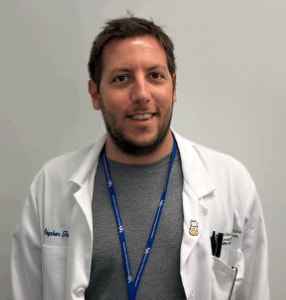
Stephen Thompson, Ph.D.
Postdoctoral Researcher
Stephen is a postdoctoral researcher in the Miller Lab investigating the molecular mechanisms of neurodegeneration, protein aggregation and the microbial exposome.

Shrey Patel, M.S.
Research Technician
Shrey is a research technician in the Miller Lab investigating neuroimmune pediatric disorders such as PANDAS/PANS with human models.
Shraddha Bhagwat
Graduate Student (M.S.)
Shraddha is a Master's degree graduate student in the Miller Lab focused on developing human vascular models to study the role of vascular dysfunction in neurological disorders.